.png)
BA-phycology-Value added/Certificate Courses
Value added / Certificate Courses
VAP- Conflict Resolution and Peace Studies
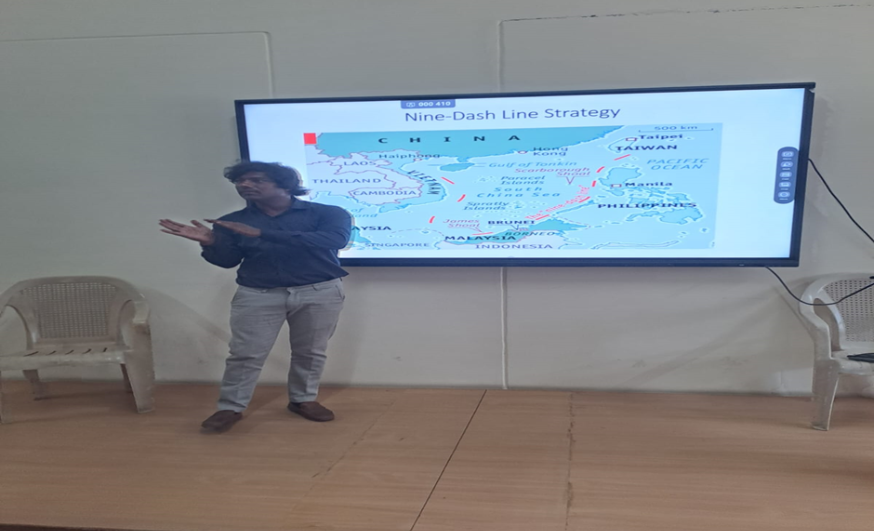
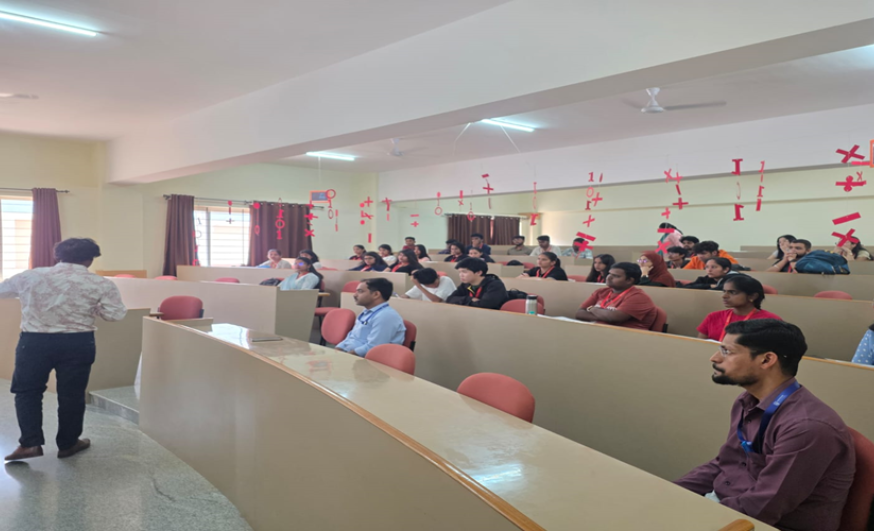
The Department of Humanities successfully conducted a 30-hour Value-Added Program titled “Conflict Resolution and Peace Studies” from February to May 2026. The program was coordinated by Dr. Ganesh Naik and Mr. Prashanth S. P. and was held at the MCA Gallery for the Second, Fourth, and Sixth Semester Political Science students of the 2025–26 academic year.
The resource person for the program was Dr. Karamala Areesh Kumar, HoD, Department of International Relations and Peace, Public Policy, St. Joseph University, Bengaluru.
The program aimed to expand students’ knowledge beyond the regular curriculum. Its key objectives included providing students with a foundational understanding of peace and security studies, enabling them to analyze contemporary conflicts, and equipping them with practical skills in negotiation, mediation, and Alternative Dispute Resolution (ADR) techniques.
The program successfully enabled students to analyze geopolitical crises, utilize conflict-mapping tools, and apply conceptual frameworks distinguishing between negative peace and positive peace. The initiative also fostered self-paced learning, critical thinking, and meaningful classroom discussions on real-world conflicts and peacebuilding processes.
Overall, the Value-Added Program provided students with valuable theoretical knowledge and practical insights into conflict resolution, peacebuilding, negotiation, mediation, and contemporary international conflicts.
VAP- Journalism for 2025-26
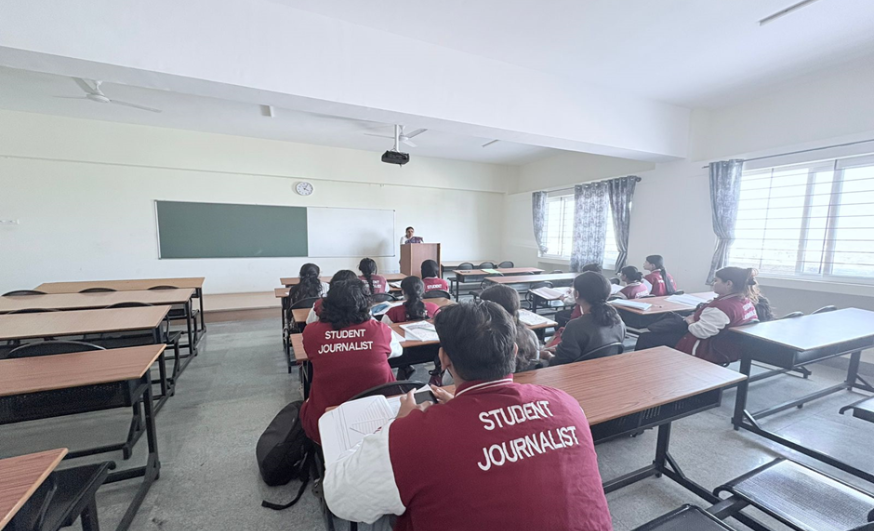
The Department of Humanities, through the Journalism faculty of Ramaiah College of Arts, Science and Commerce, successfully conducted a Value-Added Programme on Content Writing for IIIrd and Vth semester Journalism students, aimed at strengthening practical writing skills and improving career readiness. The programme was organised over multiple sessions between 30 September and 12 November 2025 and witnessed the participation of 21 students. The programme was coordinated by Mr. Sarath B and Ms. Priyanka Chala and focused on equipping students with industry-relevant writing competencies required in today’s fast-evolving media and digital communication landscape. With content writing emerging as a key professional skill across journalism, digital media, marketing, public relations, and corporate communication, the initiative sought to bridge the gap between classroom learning and professional practice. Students were introduced to the fundamentals and scope of content writing, along with a clear understanding of how it differs from journalism and copywriting. Emphasis was placed on writing for multiple platforms, including blogs, websites, and social media, while also strengthening research, fact-checking, and verification skills. Ethical concerns such as originality, plagiarism, and responsible content creation were also addressed.
Value Added Programme on Introduction to Counselling 2025-2026
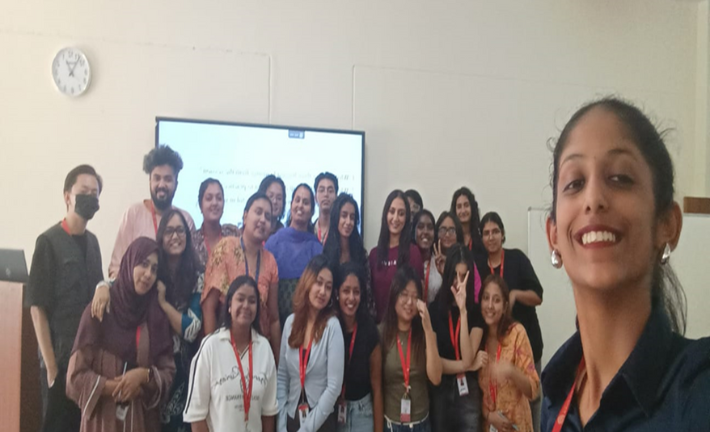
The Department of Psychology organised a value added programme which was taught by a resource person and the in house Psychology faculties. The value added programme was for the 3rd and 5th semester Psychology students. The value added programme provided students with a foundational understanding of counselling as a professional helping process. They learnt the meaning, goals and scope of counselling and clearly understood how it differs from guidance and psychotherapy. Through interactive discussion and examples, they explored key areas of application such as educational settings, personal difficulties, family issues and crisis situations. This introductory knowledge strengthened their conceptual clarity and helped them appreciate the relevance of counselling in everyday life.
Students also gained insight into the qualities and attitudes required to be an effective counsellor. Activities like the Johari Window, reflective journaling and rapport-building role-plays helped them understand the importance of self-awareness, empathy, patience and non-judgmental acceptance. The programme sensitised them towards the emotional experiences of others and guided them in recognising personal biases and strengths. This greatly contributed to their personal growth, emotional maturity and interpersonal sensitivity as psychology learners.
A major component of the programme involved learning and practising core counselling skills. Students were trained in active listening, paraphrasing, summarising, questioning, and non-verbal attending behaviours. Through peer role-plays, observation checklists and practice sessions, they developed confidence in holding a basic counselling conversation. Exposure to various counselling theories such as Psychoanalytic, Person-Centred, Behavioural and CBT helped them link skill-based practice with therapeutic frameworks, enhancing their reflective and analytical abilities.
The final segment of the course enriched students with knowledge of ethics, cultural competence and responsible professional conduct. They discussed real-world situations involving confidentiality, informed consent and ethical dilemmas, preparing them for future field practice. Case analysis, debates and exposure to counselling settings enabled them to visualise how counselling functions in schools, workplaces and crises. Overall, the programme enhanced their knowledge base, practical skill set and professional readiness, making them better equipped as future counsellors and mental health practitioners.
Feature Writing and Freelancing
The Department of Humanities offered a Value Added Programme on Feature Writing and Freelancing during the academic year 2024–2025. The course introduced students to the craft of writing clear, engaging and well-researched feature stories for print and digital media.
Students learned how to develop strong story ideas, structure a feature, research responsibly and write with depth and originality. The sessions covered a wide range of feature formats, including profiles, human interest stories, lifestyle pieces, travel writing and reviews. They also explored how modern media platforms use features to inform, entertain and create long-form narratives for diverse audiences.
A key focus of the programme was freelancing. Students were guided on how freelancers work, how to pitch ideas to editors, and how to build a writing portfolio. They also discussed the qualities needed to succeed as a freelancer and the ethical responsibilities that come with independent work. The course introduced them to opportunities across newspapers, magazines, online publications and social media.
By completing this VAP, students gained stronger writing skills, better story-telling abilities and a practical understanding of the media industry. The programme prepared them to take up feature writing and freelancing as promising career paths in today’s content-driven world

Value Added Course on “Content Writing”
The Department successfully organised a Value Added Course titled “Content Writing”, aimed at equipping students with essential skills required in today’s digital communication landscape. The programme provided a comprehensive understanding of what content writing entails, covering fundamental concepts, writing techniques, audience analysis, research methods, and the principles of creating clear, engaging, and effective content.
Throughout the sessions, students were exposed to a wide range of content forms including blogs, website content, social media posts, marketing copy, and multimedia scripts. They also explored platform-specific writing strategies, learning how to adapt content for websites, social media platforms, and emerging digital channels. In addition, the course highlighted the importance of ethical writing practices, focusing on originality, responsible communication, copyright awareness, and the need to avoid misinformation.
By the end of the course, students gained valuable skills that will benefit them academically and professionally. They developed stronger writing abilities, improved their creativity, and learnt how to communicate ideas clearly to diverse audiences. The course enhanced their digital literacy, making them more confident in producing content for various platforms. Overall, the programme successfully empowered students with industry-relevant competencies that can support careers in media, marketing, communication, and content creation.
Basics of counselling
The Department of Psychology conducted a Value Added Program on Basics of Counselling for the 4th and 6th semester Psychology students during the academic year 2024–25. The program introduced students to the meaning, nature, scope, characteristics, and goals of counselling, along with the process components of attending, responding, personalizing, initiating, and evaluating. Students engaged in paired practice, debates, and demonstrations to strengthen their foundational counselling skills.
The course also covered the differences between counselling, psychotherapy, and clinical psychology, core counsellor skills, ethical issues, and the challenges of online and tele-counselling. Major approaches such as person-centred, psychodynamic, behavioural, CBT, REBT, narrative, and expressive arts therapies were explored through group activities and presentations. Applications in child, family, career counselling, and crisis intervention were discussed alongside emerging trends in inclusive and community-based practices. Sessions concluded with modules on counsellor development, self-care, and reflective journaling.
By the end of the course, students demonstrated improved communication skills, ethical sensitivity, self-awareness, and practical understanding of counselling approaches. They gained confidence in conducting basic counselling interactions and developed a clearer professional orientation toward the helping professions.creation.