.png)
ug-bt-Value added
Value added / Certificate Courses
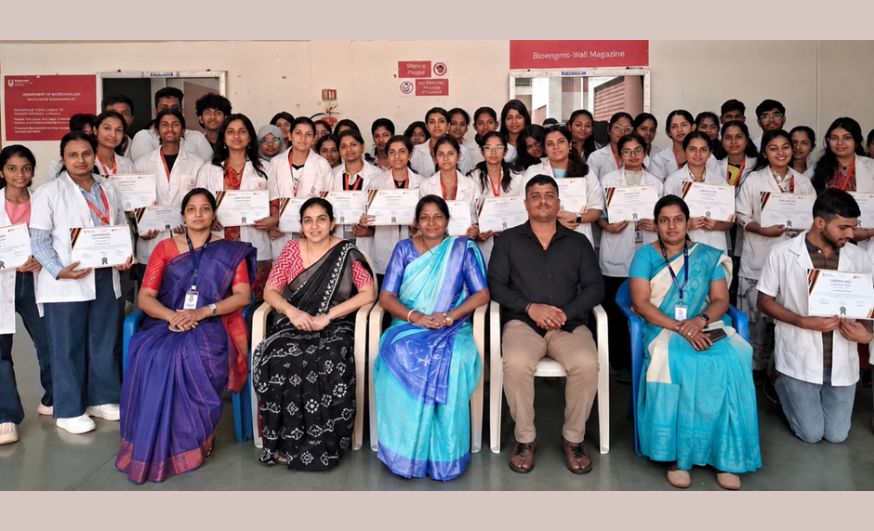
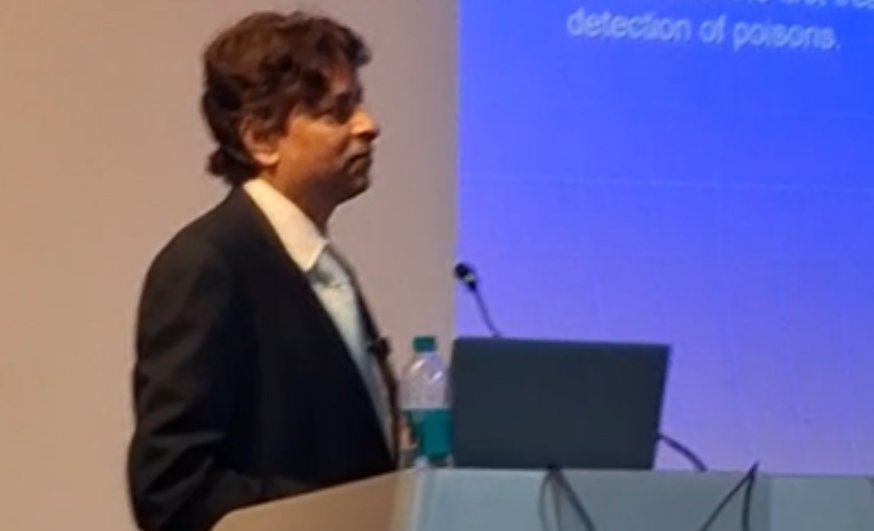
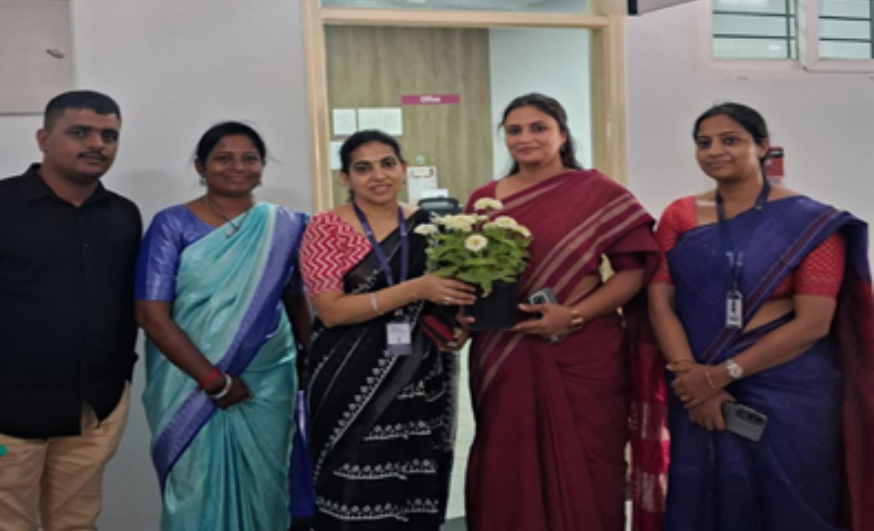
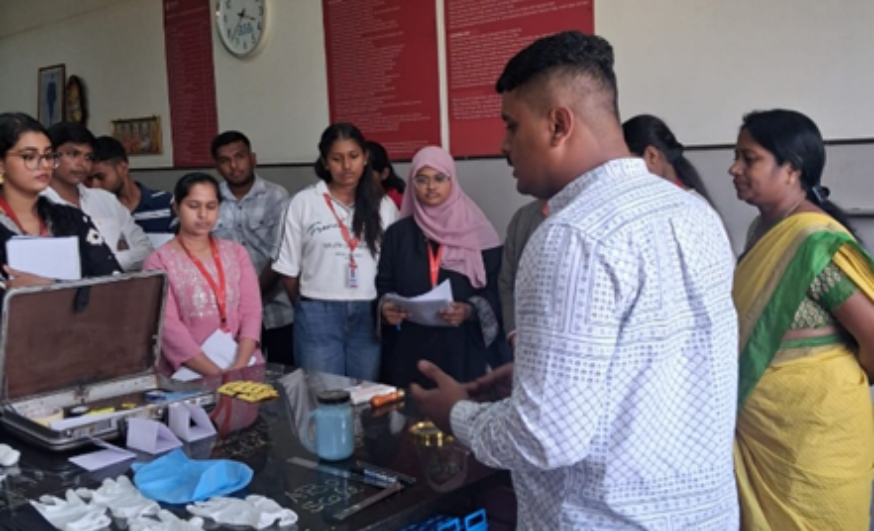
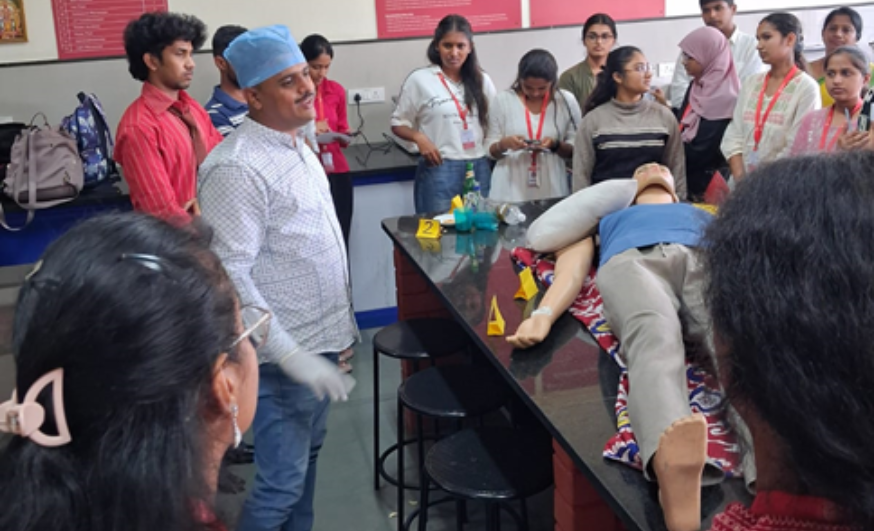
Hands-on Training: Bridging Medical and Forensic Science
Date: July 13 to 15, 2026
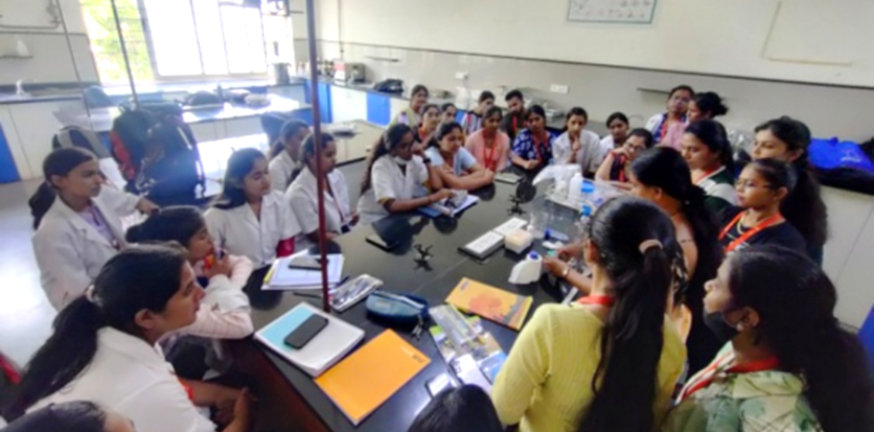
The Department of Biotechnology & Genetics, M. S. Ramaiah College of Arts, Science & Commerce (Autonomous), successfully organized a three-day Value Added Program (VAP) titled "Hands-on Training: Bridging Medical and Forensic Science" from 13–15 July 2026 for BSc students of the third semester.
The program commenced with an inaugural session delivered by the chief guest and resource person, Dr. H. V. Chandrakanth, Professor and Head, JSS Medical College, Mysuru. His insightful session inspired students to appreciate the interdisciplinary nature of forensic science. Following the inaugural session, the technical sessions and hands-on laboratory training were conducted by Dr. Uma S., Department of Forensic Science, Bangalore University, Bengaluru. Students learnt comprehensive training on crime scene management, evidence collection and preservation, fingerprint examination, questioned document analysis, forensic biology, toxicology, forensic chemistry, and cybercrime investigation. Participants also gained practical experience in techniques such as thin-layer chromatography (TLC), blood and hair analysis, enabling them to connect theoretical concepts with real-world forensic investigations.
The program concluded with an enriching visit to the Museum of the Department of Forensic Medicine, Ramaiah Medical College, which provided participants with valuable exposure to the practical aspects of forensic medicine and medico-legal investigations. The program offered students an excellent platform to develop practical laboratory skills, analytical thinking, and an understanding of standard forensic protocols, thereby enhancing their knowledge and fostering their interest in forensic science.
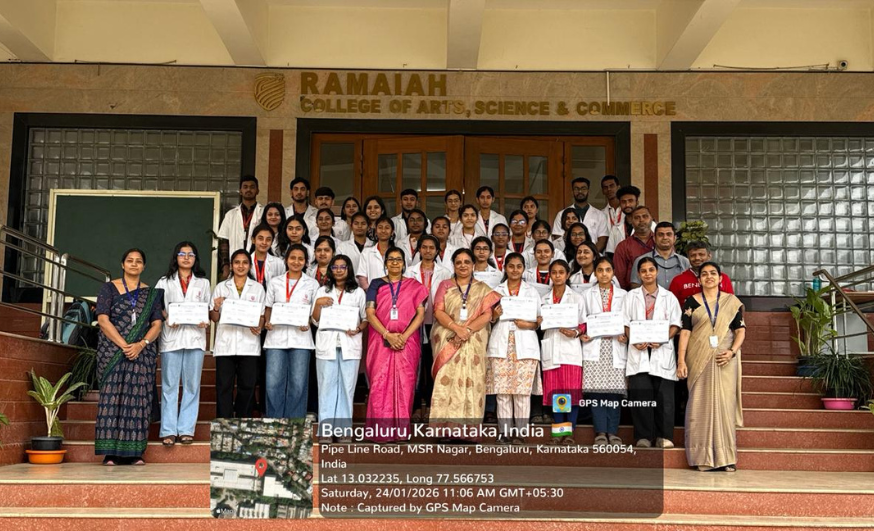
“Integrated Molecular Biology Techniques”
Date: January 19 to 21, 2026
The Department of Biotechnology and Genetics conducted a Value-Added Program (VAP) titled “Integrated Molecular Biology Techniques” from January 19 to 21, 2026, for B.Sc. IV semester students. The program centred on the transformative role of molecular biology in modern science, highlighting how the study of DNA, RNA, and proteins has deepened our understanding of life at the molecular level. Techniques such as DNA amplification, gene editing, and protein analysis have significantly influenced fields including medicine, agriculture, forensics, and biotechnology. At the same time, the program underscored that the effectiveness of these powerful techniques depends greatly on maintaining scientific integrity.
Integrity in molecular biology involves ensuring accuracy, reliability, reproducibility, and ethical conduct in experimental procedures. Without strict adherence to these principles, even advanced technologies may yield inaccurate results, leading to flawed interpretations, unnecessary expenditure of resources, and diminished public confidence in scientific research. A key focus of the sessions was the importance of accuracy and precision in laboratory work. Techniques like Polymerase Chain Reaction (PCR) are extremely sensitive and capable of amplifying very small quantities of DNA. While this sensitivity is beneficial, it also increases the risk of contamination and experimental error. Therefore, careful primer design, appropriate controls, and the use of validated reagents are essential to ensure reliable outcomes.
Similarly, Gel Electrophoresis is widely used to separate nucleic acids or proteins based on size, and even minor mistakes in buffer preparation or voltage settings can affect results. The program emphasized the importance of maintaining properly calibrated equipment, adhering to standardized protocols, and systematically documenting experimental conditions to uphold precision and reproducibility.
The VAP effectively integrated theoretical concepts with practical training. Students gained hands-on experience in DNA separation, performing PCR, and running DNA samples on agarose gel electrophoresis. By blending conceptual understanding with laboratory practice, the program provided participants with comprehensive exposure to both the technical procedures and the ethical considerations essential for maintaining integrity in molecular biology research.
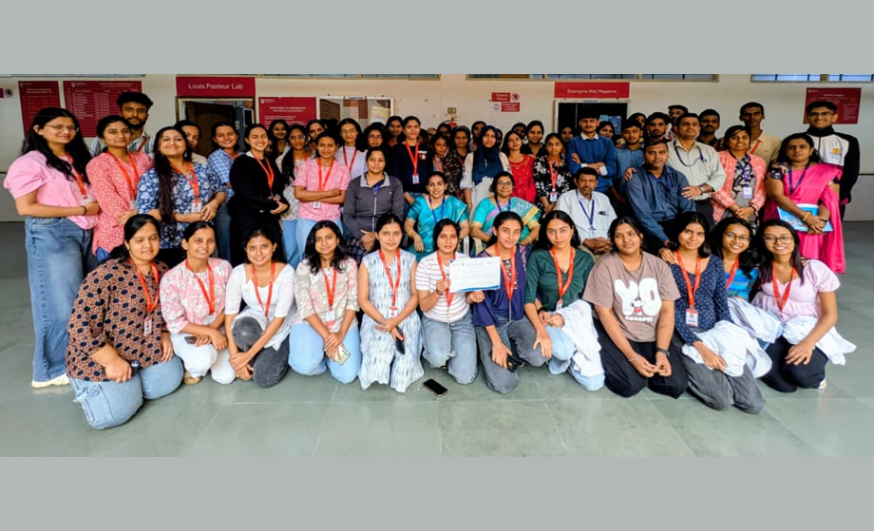
Integrated Molecular Biology Techniques
The Department of Biotechnology & Genetics organized a Choice-Based Value Added Program titled “DNA Analysis, PCR and Gel Electrophoresis Techniques” from 19–21 January 2026 for B.Sc. IV Semester Life Science students, with the objective of enhancing practical understanding of core molecular biology techniques, along with bridging the gap between theory and laboratory application. The program included interactive lectures, live demonstrations, and hands-on training sessions on DNA isolation, PCR amplification, agarose gel electrophoresis, and result interpretation, conducted by Dr. Ramakrishnaiah TN, Dr. Pramod P. Desai, Dr. Dileep Kumar, and Dr. Pratheek BM. Through active participation and guided experimentation, students developed essential technical skills and improved confidence in laboratory handling. They gained insights into the applications of molecular techniques in research and diagnostics, thereby strengthening their academic and professional preparedness.
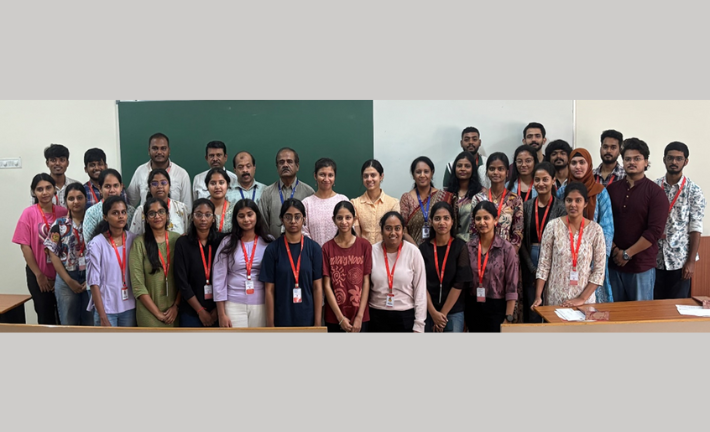
Mammalian Cell Culture
Date: 15th to 19th September 2025
The Department of Biotechnology at Ramaiah College of Arts, Science, and Commerce reaffirmed its commitment to academic excellence and research innovation by successfully organizing the Value-Added Programme on Mammalian Cell Culture from 15th to 19th September 2025. During this program, postgraduate students received intensive, hands-on training in both the theoretical fundamentals and practical techniques of mammalian cell culture, such as aseptic culture practices, cell counting, viability assays, and cryopreservation. Led by the distinguished IISc Scientist Prof. Paturu Kondaiah and PMRF fellows from the Indian Institute of Science as resource persons, participants engaged in interactive troubleshooting and mastered cutting-edge research applications in biotechnology. The event exemplified the department’s mission to empower future scientists through experiential learning and collaborative inquiry, further strengthening its reputation as a hub for innovation and excellence.
ELEVATING SCIENCE: UNLEASHING THE POTENTIAL OF SCIENCE
Date : May 27 to June 1, 2024
The Value Added Program “Elevating Science: Unleashing the Potential of Science” was conducted from May 27 to June 1, 2024, for M.Sc. students specializing in Animal Cell Culture at the Sir M. Visvesvaraya Seminar Hall. The program focused on animal cell culture techniques, viability assays, antioxidant assays, and their practical applications.
The inaugural session featured Dr. Abhijith S R (MSRIT), who introduced the fundamentals of animal cell culture. Dr. Uma S (Bangalore University) delivered insightful sessions on viability and antioxidant assays, while Dr. Anupama S K (Bangalore University) conducted hands-on training on cell subculturing and the MTT assay.
Students actively participated in interactive lectures and laboratory sessions, enhancing both conceptual understanding and practical skills. The program concluded with a valedictory session reflecting on key learnings. Overall, the program significantly enriched the academic and research competencies of the participants.
.png)
VALUE-ADDED PROGRAM: BIOINFORMATICS AND GENOMICS FOR BIOLOGISTS
Date : November 20–24, 2024
The value-added program “Bioinformatics and Genomics for Biologists” was conducted for V Semester B.Sc. students from November 20–24, 2024, with the objective of bridging the gap between theoretical concepts and practical applications in modern biology. The program aimed to equip students with fundamental knowledge and hands-on skills in bioinformatics and genomics, highlighting their significance in biological research and data analysis.
Students actively participated in the program, which included expert-led lectures, practical workshops, and real-world data analysis assignments. Students received hands-on training in widely used bioinformatics tools, enhancing their computational and analytical abilities. Interactive sessions, collaborative projects, and continuous evaluation through quizzes and assignments ensured active engagement and effective learning.
The program significantly improved students’ understanding of genomic data analysis and boosted their confidence to pursue higher studies and careers in bioinformatics and related fields. Outstanding student performance was recognized at the conclusion of the program, adding motivation and encouragement to the learning experience.
.png)
Value Added Program: Plant Tissue Culture
Date : August 4, 2023
The Department of Biotechnology and Genetics successfully conducted a Value-Added Program on “Plant Tissue Culture”, inaugurated on August 4, 2023. The program was designed to provide students with comprehensive theoretical knowledge and hands-on training in plant tissue culture techniques, spanning a total duration of 60 hours over six months.
The program included interactive lectures, laboratory-based practical sessions, and experiential learning opportunities. Students gained practical exposure to aseptic techniques, media preparation, micropropagation, and maintenance of in vitro cultures through structured theory and lab sessions conducted at the departmental laboratories.
As a key highlight, an industrial visit to Indo American Hybrid Seeds was organized on June 25, 2024, offering students real-world exposure to large-scale tissue culture facilities and commercial applications in ornamental plant production. The visit helped bridge the gap between academic learning and industrial practices.
The program witnessed active participation from students of the B.Sc. Biotechnology V Semester, enhancing their technical skills, industry awareness, and career readiness in plant biotechnology.